
The Psychology of Plants at Home
Plants do more than fill a corner.
They change how a space is experienced—visually, mentally, and even behaviorally. Not in an obvious way, but in small shifts that add up over time.
There’s a reason for that.
Humans naturally respond to elements of nature. It’s often referred to as biophilic design—bringing natural elements indoors to reduce stress, support focus, and create a more comfortable environment.
In a home setting, that translates simply:
A space with plants tends to feel more balanced, more relaxed, and more complete.
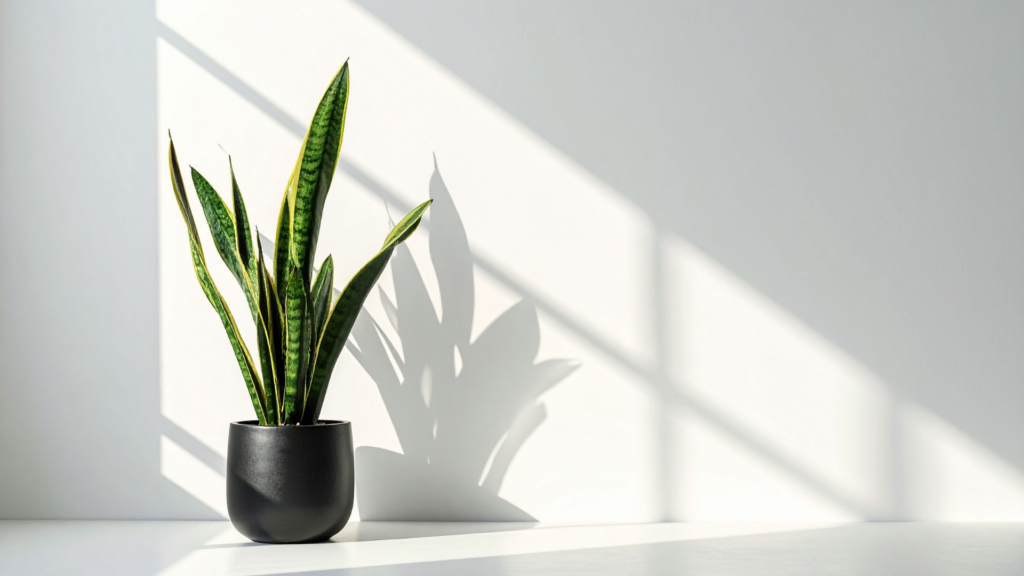
1. Snake Plant (Sansevieria)
Structure, simplicity, and low effort
The snake plant adds structure. Its upright lines create a sense of order, which can make a space feel more grounded without adding visual weight.
It works quietly in the background—never overpowering, but always noticeable in the way it sharpens a room.
Health benefits:
- Releases oxygen at night, making it a strong choice for bedrooms
- Can help filter certain indoor pollutants
- Extremely low maintenance
What it adds:
A sense of structure that subtly organizes a space. Clean vertical lines that make a room feel more intentional. A grounded, minimal presence that works without trying.
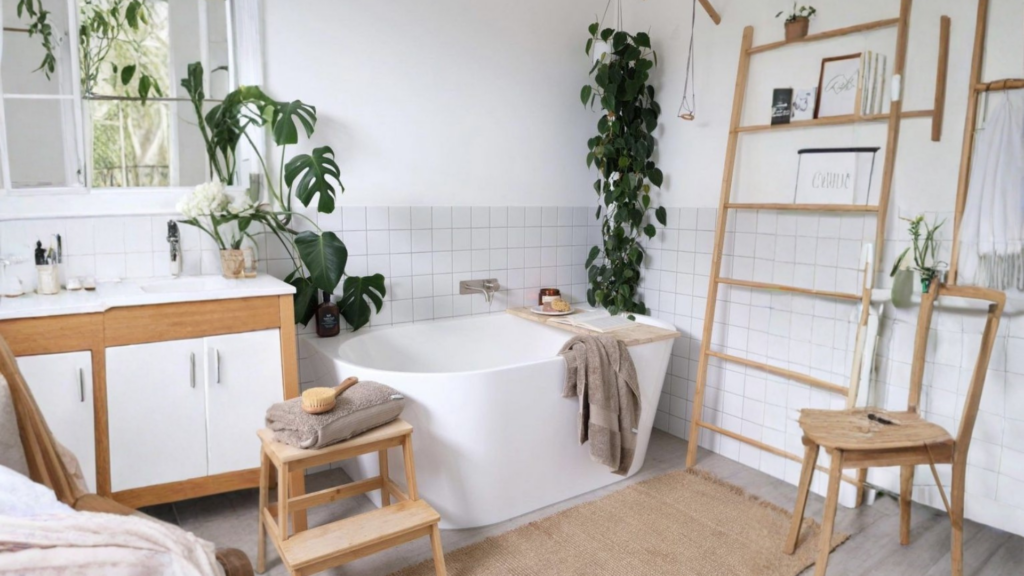
2. Pothos (Devil’s Ivy)
Movement, softness, and flexibility
Where the snake plant brings structure, pothos introduces movement.
It naturally spills into a space—over shelves, along edges, softening lines that might otherwise feel too rigid. It makes a room feel less styled and more lived-in.
Health benefits:
- Helps remove common indoor pollutants
- Can contribute to slight increases in indoor humidity
- Supports a more relaxed environment
What it adds:
A softness that breaks up hard edges. A sense of movement that keeps a space from feeling static. An effortless, lived-in layer that feels natural rather than styled.
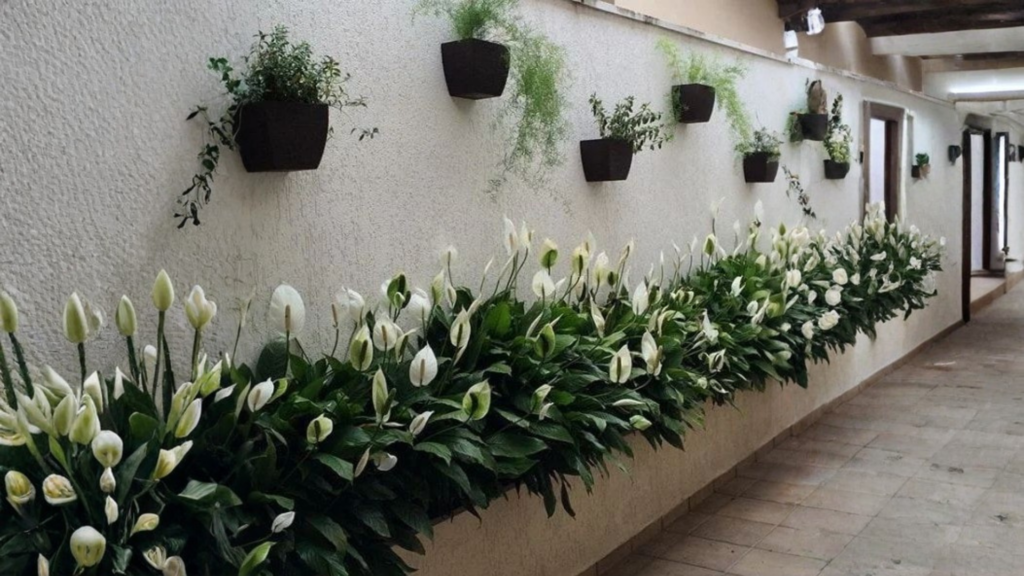
3. Peace Lily
Contrast, awareness, and subtle interaction
The peace lily brings contrast in a controlled way.
The deep green leaves and occasional white blooms draw attention—but never demand it. It brightens a space without adding clutter.
Health benefits:
- Helps filter airborne toxins
- Can increase indoor humidity
- Encourages small moments of awareness through care
What it adds:
A clean contrast that sharpens a room. A sense of clarity without visual noise. A quiet presence that makes a space feel more complete.
Why This Works
Structure. Softness. Contrast.
That balance is what makes a space feel finished—not overly designed, not empty, just right.
A Simple Upgrade That Sticks
You don’t need many.
Even one well-placed plant can shift a room—visually and mentally.
Not in a dramatic way.
Just enough to notice.
And once you do, it’s hard to imagine the space without it.